Ice dam on your roof? What to do now (and what not to do)
Last updated · Maintenance
Short answer: If an ice dam forms, stay off the roof and avoid chipping the ice. From the ground, use a roof rake to pull snow off the lower few feet of roof, catch any interior drips, and call a pro who removes ice with low-pressure steam. Later, seal attic air leaks and add insulation so dams do not return.[1]
What should you do first when you spot an ice dam?
When you spot an ice dam, first check inside the house for leaks. Look at ceilings and walls below the eaves, around windows on exterior walls, and in the attic if you can get there safely. If water is coming in, move furniture and valuables, set out buckets and towels, and poke a small hole in a sagging, water-filled ceiling bubble to drain it into a bucket. Take photos of the ice and any interior damage for your records.
How do you remove snow from the roof safely?
You remove snow from the roof safely by staying on the ground. A long-handled roof rake with an extension pole lets you pull snow off the first few feet of roof above the eaves, which cuts off the meltwater feeding the dam. Pull gently and leave a thin layer so you do not scrape shingles. Watch for power lines and falling snow. The National Weather Service's winter safety advice includes being careful with overexertion during snow removal.[2]
Why shouldn't you chip or hammer the ice?
You shouldn't chip or hammer the ice because it damages shingles, gutters, and flashing, and it puts you at risk of falling. Ice is often bonded to the roof surface, so chipping tears granules and shingle edges. Axes, hammers, and ice picks can puncture the roof and make the leak worse. Climbing an icy ladder is especially dangerous; see our ladder safety guide.
How do professionals remove ice dams?
Professionals remove ice dams with low-pressure steam, which melts through ice without damaging shingles. Steam is different from pressure washing, which can force water under shingles and tear the roof. Crews cut channels or clear the ice in sections and remove the chunks. This is a skilled job done with fall protection on slippery surfaces, so hire an insured company that does it regularly.
Do calcium chloride products help?
Calcium chloride products can help melt a drainage channel through an ice dam. Some homeowners fill a stocking with calcium chloride ice melter and lay it across the dam from the ground with a roof rake, so it melts a path for water. Do not use rock salt (sodium chloride), which can harm shingles, gutters, and plants. Rinse plants below the area in spring. This is a temporary measure only.
What causes ice dams to keep coming back?
Ice dams keep coming back when heat leaks from the house into the attic and warms the roof deck. InterNACHI explains that warm roof areas melt snow, and the water refreezes over the colder eaves.[1] The fix is to seal air leaks and add insulation in the attic. ENERGY STAR recommends sealing leaks first, then insulating.[3] Good attic ventilation and an ice barrier membrane at the eaves add backup protection. Our guide on ice dam causes and prevention covers this in detail.
Should you file an insurance claim for ice dam damage?
Whether to file an insurance claim for ice dam damage depends on your policy and the extent of the damage. Some policies cover interior water damage from ice dams; others have exclusions or limits. Document everything with photos and keep receipts for emergency steps. Read your policy and talk to your agent. Coverage decisions belong to your insurance company alone.
When should you call a roofer?
Call a roofer when ice dams cause leaks, when you see damaged shingles or gutters after the thaw, or when dams form every winter. A roofer can check the eaves for an ice barrier, look at ventilation, and repair damage. An energy auditor or insulation contractor can handle the attic air sealing. Schedule a free inspection in spring to check for hidden damage.
Rather talk to someone? Request a callback
Leave your name and number and a local roofing contractor will call you back about a free estimate and inspection. Available to homeowners in our service markets.
- A local contractor calls you. They confirm your address and a time that works.
- They inspect your roof. Free, in person, no obligation.
- You get a written price. You decide. No pressure.
Frequently asked questions
Can I use a heat gun or torch on an ice dam?
No. Open flame and high heat can damage roofing and start a fire. Use steam removal by a professional.
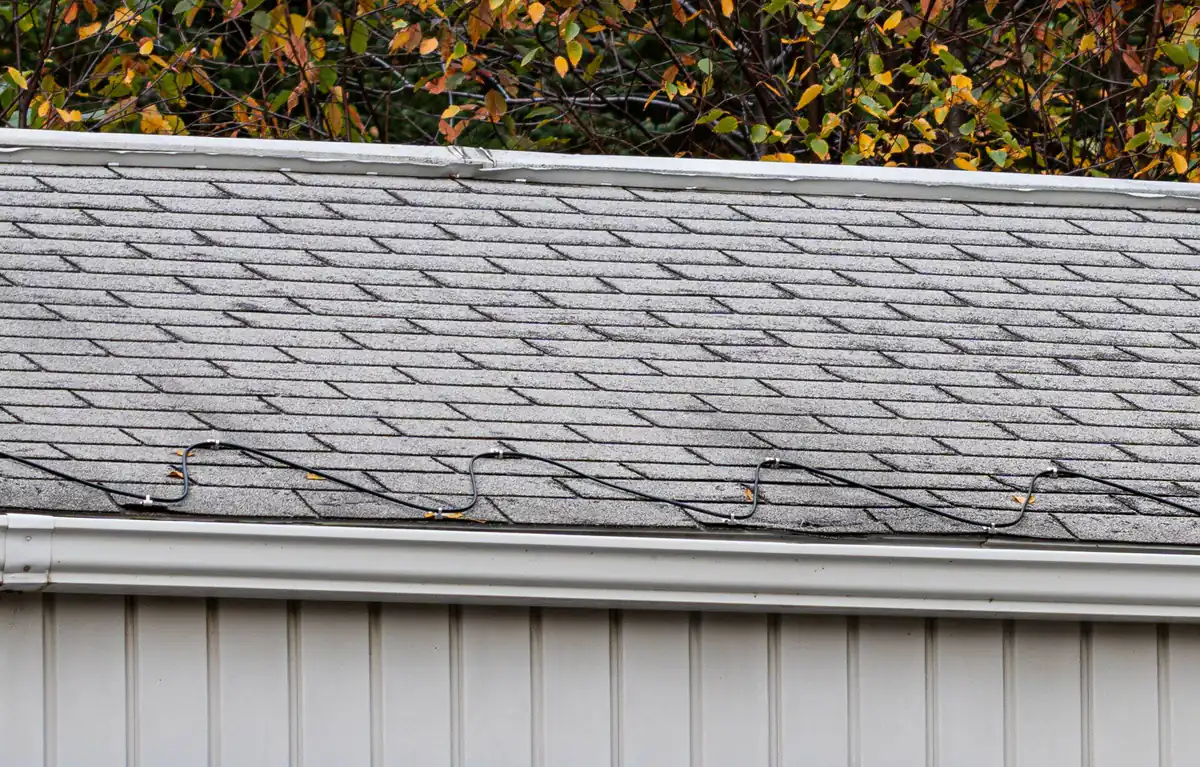
Are heat cables a good fix for ice dams?
They can keep a drainage path open in trouble spots, but they do not fix the attic heat loss that causes dams.
Will ice dam damage show up later?
Sometimes. Water can wet insulation and decking without obvious stains, so check the attic after a thaw.
See 2026 roof replacement cost in your city →
Sources
- InterNACHI: Ice Dams. www.nachi.org/ice-dams.htm
- National Weather Service: Winter Safety. www.weather.gov/safety/winter
- ENERGY STAR: Seal and Insulate. www.energystar.gov/saveathome/seal_insulate
Sources checked November 4, 2026. Estimates are not quotes. Roofing, insurance, and legal details vary. Confirm with your contractor, insurer, or attorney.