Roof maintenance checklist: What to check each season
Last updated · Maintenance
Short answer: A simple roof maintenance routine covers four things: keep gutters and valleys clear, trim branches back from the roof, check from the ground and attic for damage twice a year and after storms, and get a professional inspection every few years or after major hail or wind. Most checks need binoculars, not a ladder.[1]
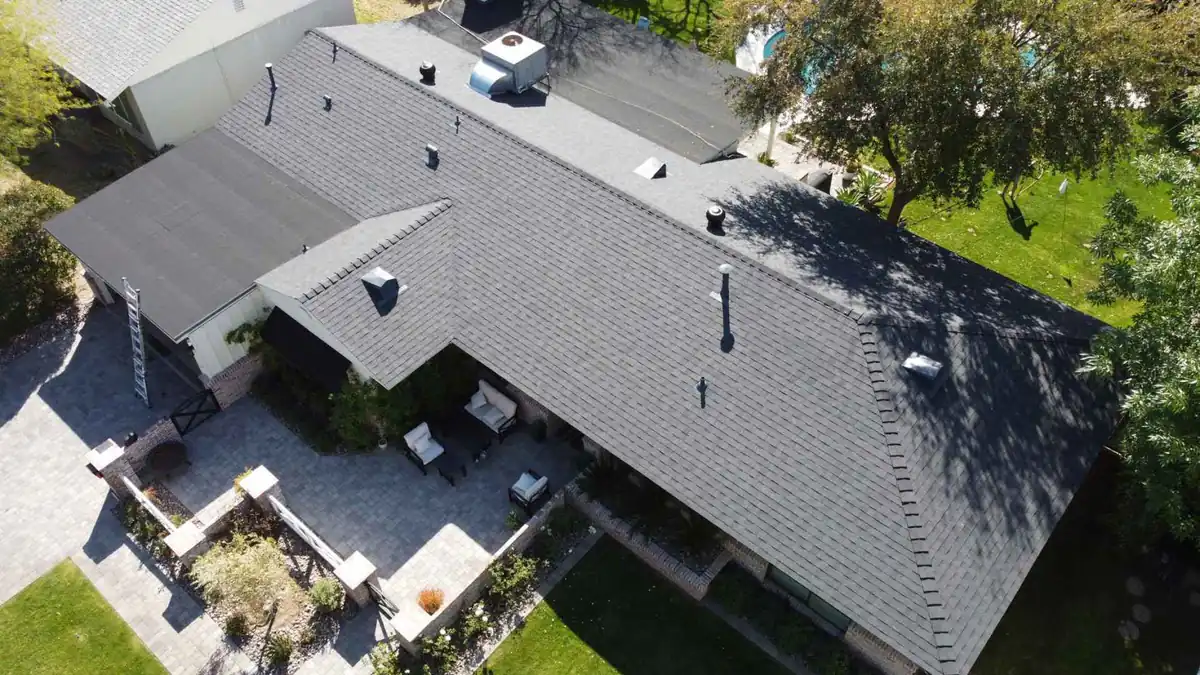
What should you check in spring?
In spring, check for winter damage. From the ground, use binoculars to look for missing, cracked, or curled shingles, lifted flashing at chimneys and walls, and damaged vents. Clean gutters and downspouts, and look for granules collecting at downspout outlets. In the attic, look for water stains, damp insulation, or daylight around vents. If you had ice dams, check ceilings near exterior walls for stains.
What should you check in summer?
In summer, focus on trees, growth, and heat. Trim branches so they are several feet from the roof, which reduces scraping, leaf buildup, and shade that encourages moss. Look for dark algae streaks or moss on shaded slopes. On a hot afternoon, a very hot attic can point to poor ventilation. Our moss and algae guide explains safe cleaning.
What should you check in fall?
In fall, prepare for winter storms. Clean gutters after the leaves drop, and make sure downspouts carry water away from the foundation. Check that pipe boots, the rubber collars around plumbing vents, are not cracked. Look at sealant around flashing, skylights, and vents. In snowy climates, make sure attic insulation is not blocking soffit vents and that bathroom fans vent outdoors. Our guide on when to replace pipe boots shows what to look for.
What should you check in winter?
In winter, watch for ice and condensation. Large icicles and ice ridges along the eaves signal ice dams. In the attic, frost on the roof deck or nails points to moisture and ventilation problems. Keep heavy snow loads in mind on low-slope roofs, and remove snow from the eaves with a roof rake from the ground if ice dams form. Avoid climbing onto an icy roof.
What should you check after a storm?
After a storm, check from the ground for missing shingles, lifted edges, dented gutters and vents, and debris on the roof. Note the storm date and take photos. Be wary of contractors who show up uninvited after storms; the Federal Trade Commission advises homeowners to get recommendations, check licenses, and avoid paying in full up front.[3] Get an inspection from a contractor you chose.
How often should a professional inspect your roof?
A professional should inspect your roof every few years, after major hail or wind, and before you buy or sell a home. Home inspectors and roofers check the roof covering, flashing, penetrations, drainage, and the attic.[1] Inspections matter more as a roof ages. InterNACHI's life expectancy chart lists typical lifespans, such as about 20 years for 3-tab shingles and 30 for architectural shingles, which helps you plan.[2]
What maintenance should you leave to a pro?
Leave anything on the roof surface to a pro, including replacing shingles, resealing flashing, and clearing debris from steep slopes. Roofs are slippery, and falls are a leading cause of serious injury. Our guides on walking on a roof and ladder safety explain the risks. A free inspection lets someone else take the climb.
What records should you keep?
Keep a simple roof file. Include the installation date, contract, product names, warranty documents, permit and inspection records, repair invoices, and photos from each seasonal check. These records help when you file a warranty claim, talk to your insurer, or sell the house. Store a copy in the cloud or email it to yourself so a leak or move does not destroy the only set. When you hire a new roofer, share the file so they know what was done before and which warranties may still apply.
Rather talk to someone? Request a callback
Leave your name and number and a local roofing contractor will call you back about a free estimate and inspection. Available to homeowners in our service markets.
- A local contractor calls you. They confirm your address and a time that works.
- They inspect your roof. Free, in person, no obligation.
- You get a written price. You decide. No pressure.
Frequently asked questions
How often should I clean my gutters?
At least twice a year, in spring and fall, and more often under trees.
Can I inspect my roof from the ground?
Yes, for many problems. Binoculars and a look in the attic catch most issues without climbing.
How long does a roof last?
It depends on the material. InterNACHI lists about 20 years for 3-tab shingles, 30 for architectural shingles, and longer for metal and tile.
See 2026 roof replacement cost in your city →
Sources
- InterNACHI: Roof Inspection. www.nachi.org/roof-inspection.htm
- InterNACHI, Standard Estimated Life Expectancy Chart. www.nachi.org/life-expectancy.htm
- FTC, How to Avoid Scams After Weather Emergencies and Natural Disasters. consumer.ftc.gov/articles/how-avoid-scams-after-weather-emergencies-and-natural-
Sources checked November 4, 2026. Estimates are not quotes. Roofing, insurance, and legal details vary. Confirm with your contractor, insurer, or attorney.