Working in the roofing industry: Roles, pay, training, and how to apply
Last updated · Roof & ladder safety
Short answer: Roofing work spans installers, crew leads, project managers, sales and estimators, inspectors, and office roles. Most people learn on the job. BLS May 2025 data puts roofers near the mid-$50,000s, with higher medians for estimators, inspectors, and construction managers. Safety training matters on every crew.
What jobs exist in a roofing company?
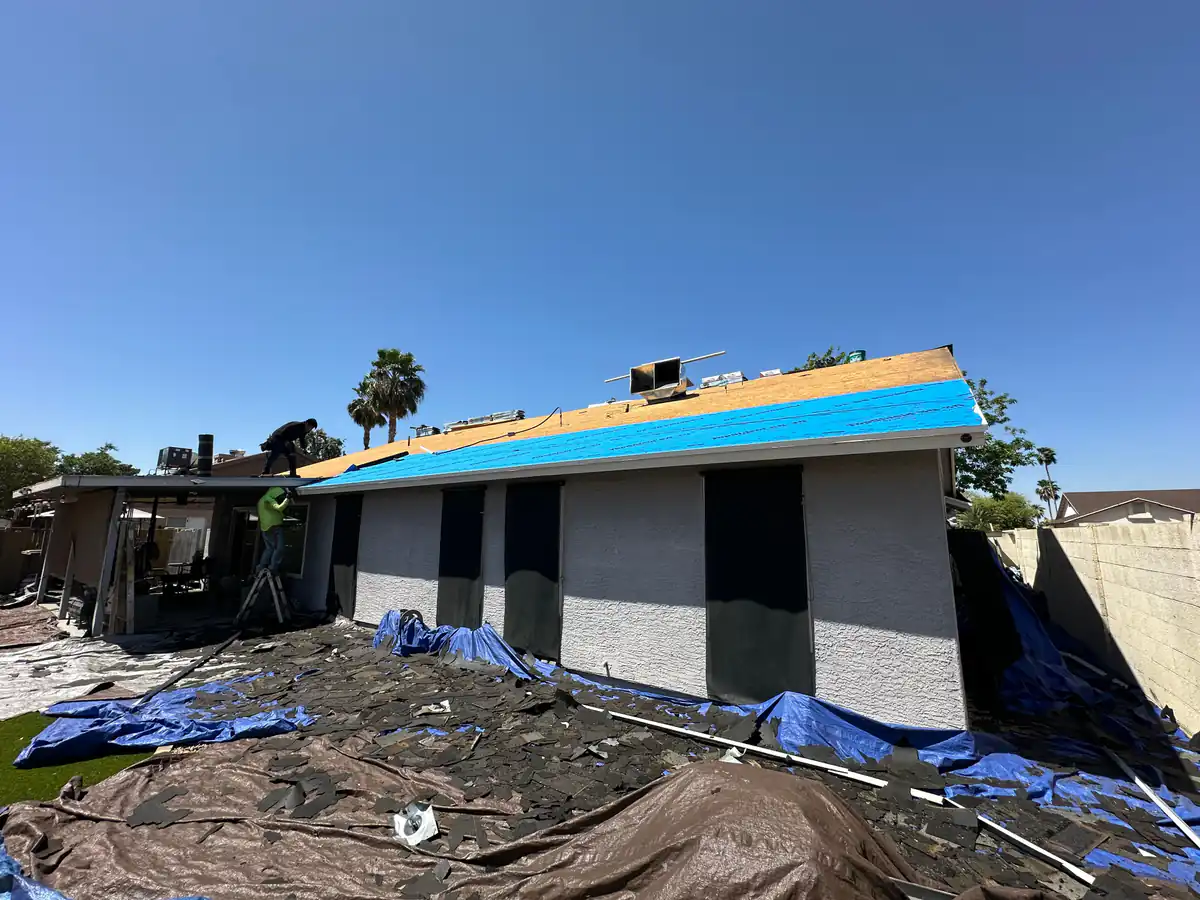
A residential roofing company is more than the people on the roof. Typical roles include:
- Installer / roofing laborer. Tear-off, decking repair, underlayment, shingles or other covering, flashing, and cleanup. BLS groups most of this work under roofers; helpers who assist tradesworkers are tracked separately.
- Crew lead or foreman. Runs the day's plan, quality checks, material staging, and crew safety on site. Many leads start as installers.
- Project manager. Owns schedule, homeowner communication, change orders, and handoff from sale to install to final walkthrough. Closest BLS occupation for pay context is construction manager.
- Sales and estimator. Meets homeowners, documents the roof, builds a scope and price, and explains options. Estimator work aligns with BLS cost estimators; field sales often resembles wholesale and manufacturing sales representatives in national wage data.
- Inspector. Company inspectors document storm or wear conditions with photos and notes for the homeowner and insurer. Municipal building inspectors are a different, licensed public role tracked by BLS as construction and building inspectors.
- Office and production. Scheduling, permitting, material ordering, warranty paperwork, and dispatch keep jobs moving. These roles look more like general office and operations work than field labor.
Day to day, field crews start early, stage materials, work outdoors in heat or cold when weather allows, and finish with site cleanup. Sales days mix drive time, ladder inspections, and evening follow-ups. Office teams spend more time on phones, software, and coordinating between the homeowner and the crew.
How much do roofing jobs pay?
Pay varies by region, experience, overtime, and whether the role is hourly, salaried, or commission. These figures are national medians from the U.S. Bureau of Labor Statistics Occupational Outlook Handbook (May 2025 wages). They are not offers from any employer:
- Roofers: median $55,440 a year ($26.65 an hour). The lowest 10 percent earned less than $37,460; the highest 10 percent earned more than $81,720. At roofing contractors, the median was $55,860.[1]
- Helpers--roofers: median $44,160 a year (May 2025), within the broader construction helpers group.[5]
- Cost estimators: median $78,740 a year. Specialty trade contractors (the group that includes many roofing firms) showed a median of $80,330.[2]
- Wholesale and manufacturing sales representatives (except technical and scientific products): median $72,080 a year; the highest 10 percent earned more than $137,550. Roofing field sales often blends base and commission, so individual earnings can sit well above or below that national median.[6]
- Construction and building inspectors: median $74,690 a year.[7]
- Construction managers: median $114,990 a year.[3]
BLS notes that apprentice starting pay is often about half of journey-level pay and rises with training.[1] Always confirm compensation with the employer posting the job.
How do people train, apprentice, and get certified?
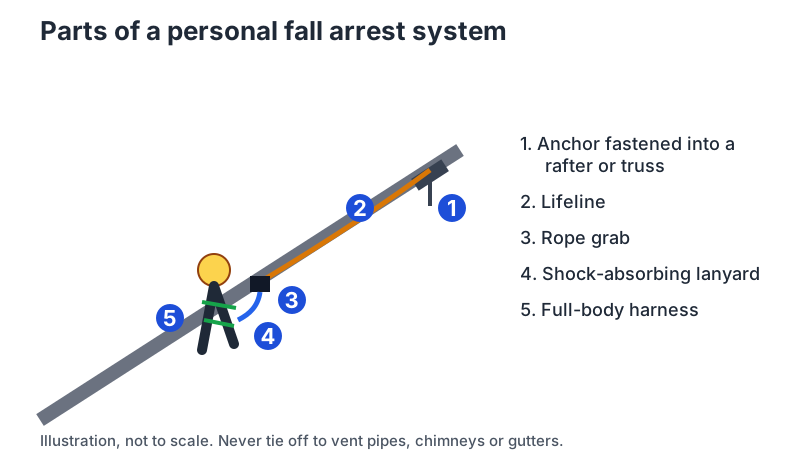
BLS reports no formal education credential is typically required for roofers; most learn through moderate-term on-the-job training. Trainees often start by carrying materials and setting up, then learn measuring, cutting, and installing.[1]
Registered apprenticeships combine paid work with classroom hours. The U.S. Department of Labor hosts apprenticeship search tools at Apprenticeship.gov.[8]
Many employers require safety training that meets OSHA guidelines. Optional product or trade certifications (for example, manufacturer installer programs or fall-protection courses) can expand the jobs you qualify for. A valid driver's license is commonly required because crews move between jobsites.[1]
What safety standards apply on a roofing job?
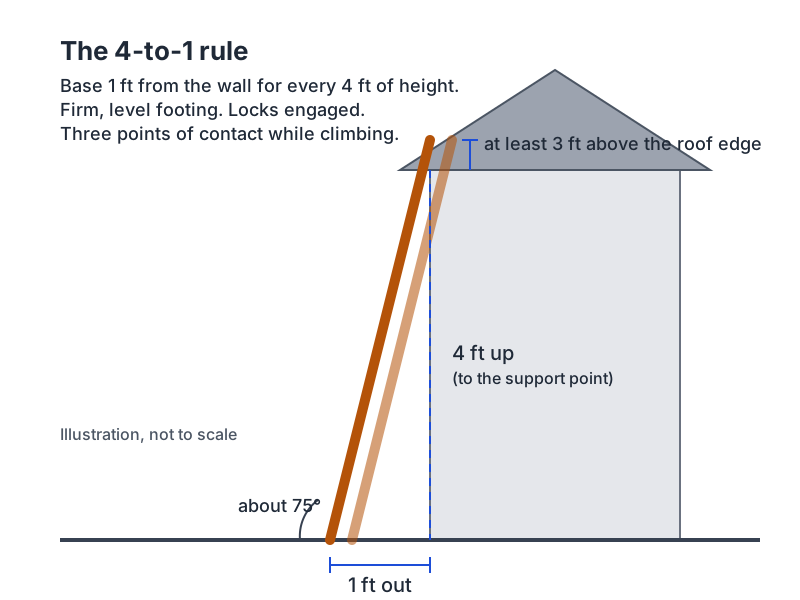
Roofing ranks among the more hazardous construction trades because of height, heat, and handling heavy bundles. OSHA's construction fall-protection standard (29 CFR 1926.501) generally requires fall protection at 6 feet or more above a lower level, with limited exceptions.[4]
On a well-run crew you should expect training on ladders, personal fall-arrest systems, heat illness, and tool use before you are asked to work unprotected at height. See our guides on ladder setup, PPE and fall protection, and footwear for roof work for the same safety basics homeowners and new workers both need.
How do roofing careers usually advance?
Roofing careers usually advance from helper or installer to skilled installer, then to crew lead, and later to project manager or estimator. Some people move into sales after strong field experience; others start in sales or the office and never install. BLS projects about 12,000 openings for roofers each year on average from 2025 to 2035, many from replacement needs, with employment growth of 5 percent over the decade.[1]
Storm seasons and reroof demand can create hiring spikes. If you want office hours instead of roof time, ask about production coordinator, permitting, or customer-care openings when you apply.
Where can you find open roofing jobs?
RoofCareer.com is a careers site for a national roofing network. As of early November 2026 it is an application-focused site rather than a long public list of individual job ads: you can learn about the team, browse events (including training events), read about a DOD SkillBridge pathway for service members, and use Get Started or the contact page to apply or ask about openings. The public pages emphasize sales and growth roles across a multi-state footprint; other production and office roles are handled through the same apply path. Contact options listed on the site include email and a weekday phone line.
When you apply, ask which markets are hiring, whether the role is hourly or commission, what safety training is provided, and how the first 90 days are structured. You can start here: browse and apply at RoofCareer.com.
Rather talk to someone? Request a callback
Leave your name and number and a local roofing contractor will call you back about a free estimate and inspection. Available to homeowners in our service markets.
- A local contractor calls you. They confirm your address and a time that works.
- They inspect your roof. Free, in person, no obligation.
- You get a written price. You decide. No pressure.
Frequently asked questions
Do you need a college degree to become a roofer?
Usually no. BLS says roofers typically need no formal educational credential and learn through on-the-job training, though apprenticeships and safety certifications help.
What is a realistic starting path into roofing?
Many people start as a helper or installer, then move into lead, estimating, sales, or project management after they learn the trade and safety practices.
Where can I apply for roofing jobs?
You can browse roles and apply through RoofCareer.com, which routes candidates into a national roofing network via Get Started and contact options.
Is roofing dangerous?
It can be. Falls are a major hazard. OSHA's construction rules generally require fall protection at 6 feet or more, and reputable employers train crews before unprotected roof work.
See 2026 roof replacement cost in your city →
Sources
- U.S. BLS, Occupational Outlook Handbook: Roofers. www.bls.gov/ooh/construction-and-extraction/roofers.htm
- BLS OOH: Cost Estimators. www.bls.gov/ooh/business-and-financial/cost-estimators.htm
- BLS OOH: Construction Managers. www.bls.gov/ooh/management/construction-managers.htm
- OSHA 29 CFR 1926.501: Duty to have fall protection. www.osha.gov/laws-regs/regulations/standardnumber/1926/1926.501
- BLS OOH: Construction Laborers and Helpers. www.bls.gov/ooh/construction-and-extraction/construction-laborers-and-helpers.ht
- BLS OOH: Wholesale and Manufacturing Sales Representatives. www.bls.gov/ooh/sales/wholesale-and-manufacturing-sales-representatives.htm
- BLS OOH: Construction and Building Inspectors. www.bls.gov/ooh/construction-and-extraction/construction-and-building-inspectors
- U.S. Department of Labor: Apprenticeship.gov. www.apprenticeship.gov/
Sources checked November 4, 2026. Estimates are not quotes. Roofing, insurance, and legal details vary. Confirm with your contractor, insurer, or attorney.