North Carolina roofing rules: Licensing threshold, permits, and storms
Last updated · Codes, permits & licensing
Short answer: North Carolina requires a general contractor license for construction projects costing $40,000 or more, which can include large roof replacements. Smaller roofing jobs do not need a state license, so check insurance, references, and local permits. Coastal homes face strong wind rules and storm-chaser risk after hurricanes.[1]
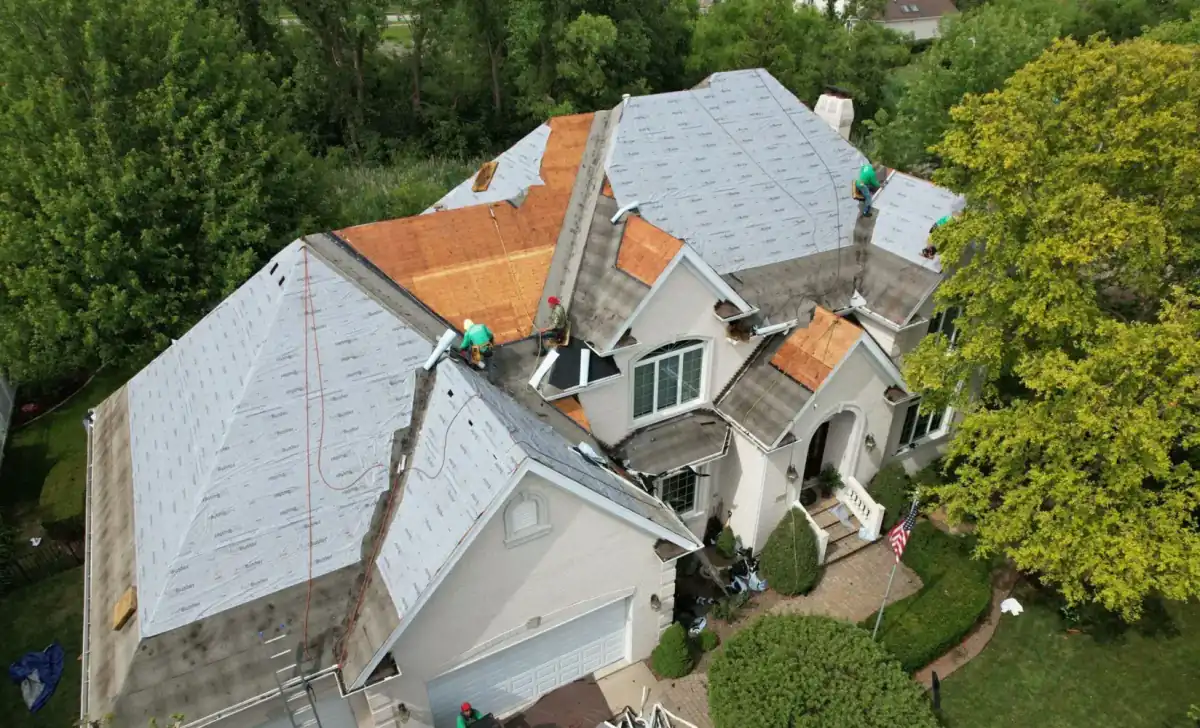
When does a North Carolina roofer need a license?
A North Carolina roofer needs a general contractor license when the total cost of a project is $40,000 or more. The North Carolina Licensing Board for General Contractors raised the threshold from $30,000 to $40,000 in 2023.[1] Most single-family reroofs cost less, so many roofers work without a state license. For large homes or complex roofs that reach the threshold, ask for the license number and look it up on the board's site.
How do you vet a roofer without a state license?
To vet a roofer without a state license, check the business registration with the North Carolina Secretary of State, ask for a certificate of liability insurance and workers' compensation, and call references from recent jobs. Look for a local address and a history of permits pulled in your county. Our contractor licensing page explains how licensing works across states.
Do you need a permit to reroof in North Carolina?
You usually need a permit to reroof in North Carolina, though rules vary by county and city. Many local building departments require a permit for roof replacement and some exempt minor repairs. Ask your roofer who will pull the permit and whether a final inspection is required. The North Carolina Residential Code, based on the International Residential Code with state changes, sets the minimum requirements.
How do North Carolina's coastal winds affect roofing?
North Carolina's coastal winds affect roofing in the eastern part of the state, where design wind speeds are among the highest on the East Coast. Contractors there often use high-wind nailing, starter strips with sealant at the edges, stronger ridge cap attachment, and enhanced deck nailing. Ask each bidder how they handle edges and which wind rating the shingle carries. Our guide on high-wind nailing explains the details.
What does North Carolina homeowners insurance cover?
What North Carolina homeowners insurance covers depends on your policy. The North Carolina Department of Insurance explains that some policies exclude windstorm or hail and that homeowners in some coastal areas may need separate wind coverage.[2] Read your declarations page for deductibles, which may be a percentage of the home's insured value for hurricanes. Your insurer decides how any claim is handled.
How do you avoid storm chasers after a hurricane?
To avoid storm chasers after a hurricane, slow down and verify before signing. The Federal Trade Commission advises homeowners to get estimates in writing, check identification and licenses, avoid paying in full up front, and be wary of contractors who solicit door to door after disasters.[3] Temporary tarping may be urgent, but a full replacement contract can wait until you have compared bids.
What should a North Carolina roofing contract include?
A North Carolina roofing contract should include the contractor's legal business name and address, any license number, the scope of work, product names, price, payment schedule, permit responsibility, and warranty terms. For jobs near $40,000, make sure the contract total and the license status line up. Get any change orders in writing.
Are impact-resistant roofs useful in North Carolina?
Impact-resistant roofs can be useful in parts of North Carolina that see hail, especially in the Piedmont and mountains. Some insurers offer credits for impact-rated roofing. Ask your agent before you buy. Request the credit as a dollar amount on your current premium, then compare it with the extra cost of the impact-rated product from your roofer's quote. Our guide on impact-resistant roof discounts explains how to compare the cost.
Rather talk to someone? Request a callback
Leave your name and number and a local roofing contractor will call you back about a free estimate and inspection. Available to homeowners in our service markets.
- A local contractor calls you. They confirm your address and a time that works.
- They inspect your roof. Free, in person, no obligation.
- You get a written price. You decide. No pressure.
Frequently asked questions
Does North Carolina require a roofing license?
Only through the general contractor license, required for projects of $40,000 or more. Smaller jobs do not need a state license.
When did the threshold change to $40,000?
The licensing board raised it from $30,000 to $40,000 in 2023.
Do I need separate wind coverage in North Carolina?
Some coastal policies exclude wind. Check your policy and talk to your agent.
Sources
- NC Licensing Board for General Contractors: Fall 2023 ($40,000 threshold). nclbgc.org/2023/10/04/board-buzz-fall-2023/
- North Carolina Department of Insurance: Homeowners Insurance. www.ncdoi.gov/consumers/homeowners-insurance
- FTC, How to Avoid Scams After Weather Emergencies and Natural Disasters. consumer.ftc.gov/articles/how-avoid-scams-after-weather-emergencies-and-natural-
Sources checked November 4, 2026. Estimates are not quotes. Roofing, insurance, and legal details vary. Confirm with your contractor, insurer, or attorney.