How to compare roofing estimates line by line
Last updated · Costs & the replacement process
Short answer: To compare roofing estimates, line them up item by item: tear-off, decking repair pricing, underlayment, ice barrier, drip edge, flashing, ventilation, shingle product, permit, cleanup, and warranties. The lowest total often leaves something out. Check each roofer's license and insurance, and avoid large upfront payments or pressure to sign that day.[1]
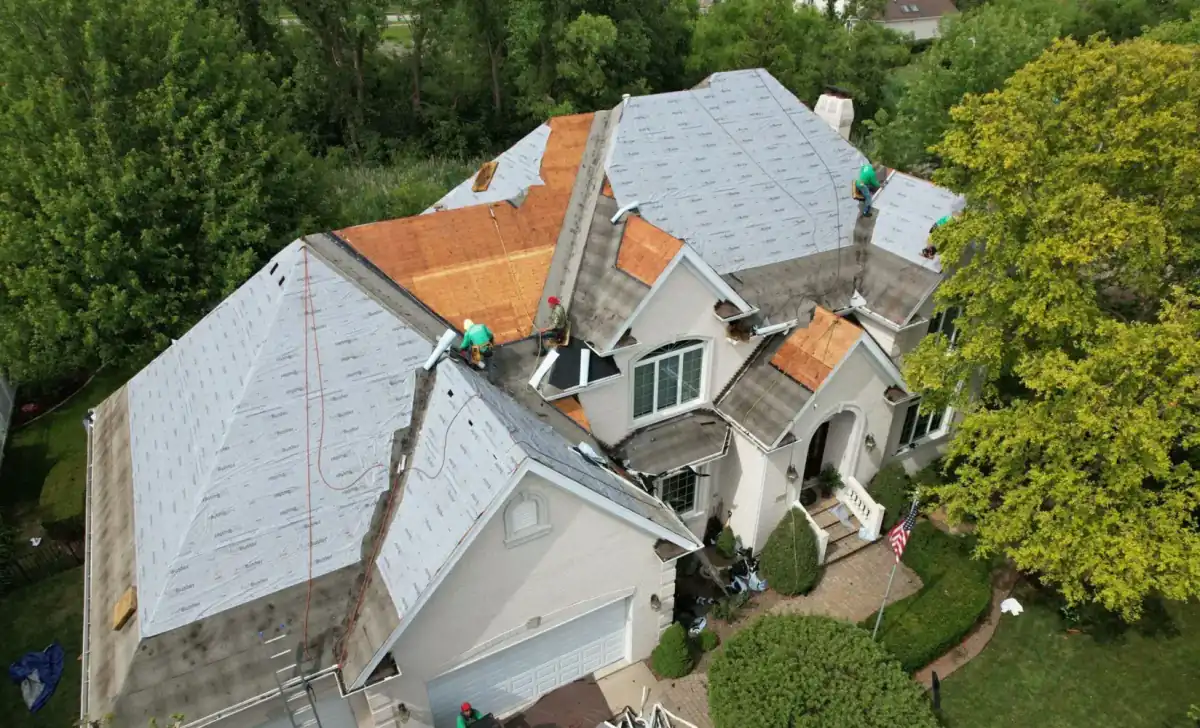
What should every roofing estimate include?
Every roofing estimate should list the scope in enough detail that you could hand it to another roofer. Look for: - Roof size in squares and the number of existing layers to remove - Deck repair pricing per sheet, and how much is included - Underlayment type, ice barrier location, and drip edge - Shingle or roofing product line and color - Flashing work at walls, chimneys, and skylights (new or reused) - Ventilation: ridge vent, roof vents, and intake - Permit, dumpster, cleanup, and nail sweep - Workmanship warranty and manufacturer warranty level If a line is missing, ask about it before comparing totals.
Why do roofing estimates vary so much?
Roofing estimates vary because roofers price different scopes, materials, and overhead. One bid may reuse old flashing while another replaces it. One may include ice barrier only at the eaves while another lines all valleys. Product lines differ in weight, wind rating, and warranty. Crew experience and insurance coverage add cost. When you normalize the scope, prices often come closer together.
How should decking repairs be priced?
Decking repairs should be priced per sheet in the estimate, since nobody knows how much decking is rotten until tear-off. A clear bid states the price per sheet of plywood or OSB and whether a few sheets are included. Ask the roofer to photograph replaced decking. Without a per-sheet price, an open-ended change order can make a low bid expensive.
What payment terms are reasonable?
Reasonable payment terms tie payments to progress. The Federal Trade Commission advises homeowners not to pay in full up front, to limit the down payment, and to make final payment only after the work is done and you are satisfied.[1] Some states cap deposits or set rules for insurance-funded jobs. Pay by check or card rather than cash, and get receipts.
What red flags should you watch for?
Red flags in roofing estimates and sales include: - Pressure to sign the same day or "special pricing" that expires tonight - Requests for full or large payment before materials arrive - No written contract, or vague scope language - Offers to waive or cover your insurance deductible - Door-to-door contractors right after a storm with no local address The FTC's guidance on post-disaster scams lists many of the same warning signs.[2]
How do you compare financing offers?
To compare financing offers, look at the interest rate, fees, term, and total cost, not just the monthly payment. Some programs, such as PACE loans, are repaid through property taxes and can affect a future sale or refinance; the Consumer Financial Protection Bureau explains what to know before signing one.[3] Compare any roofer-arranged financing with a loan from your bank or credit union.
How do you check the roofer behind the estimate?
Check the roofer behind the estimate by verifying their state or local license or registration, asking for a certificate of liability insurance and workers' compensation coverage, and reading reviews. Our contractor licensing page explains which states license roofers and where to look them up. Ask for references from recent jobs in your area.
What questions reveal the real price?
Questions that reveal the real price include: "What is not included?" "What happens if you find rotten decking?" "Will you replace or reuse flashing?" "Who pulls the permit?" "Which warranty will you register?" Ask each roofer the same questions and write down the answers. The best value is often the bid with the clearest scope, not the lowest number.
Rather talk to someone? Request a callback
Leave your name and number and a local roofing contractor will call you back about a free estimate and inspection. Available to homeowners in our service markets.
- A local contractor calls you. They confirm your address and a time that works.
- They inspect your roof. Free, in person, no obligation.
- You get a written price. You decide. No pressure.
Frequently asked questions
How many roofing estimates should I get?
Three is common. It gives you a sense of fair pricing and scope without slowing the project too much.
Should I always pick the lowest bid?
No. Compare scope first. The lowest bid may leave out decking, flashing, or ventilation work.
Is it normal to pay a deposit?
A modest deposit is common. Avoid paying in full up front, and tie payments to progress.
See 2026 roof replacement cost in your city →
Sources
- FTC, How To Avoid a Home Improvement Scam. consumer.ftc.gov/articles/how-avoid-home-improvement-scam
- FTC, How to Avoid Scams After Weather Emergencies and Natural Disasters. consumer.ftc.gov/articles/how-avoid-scams-after-weather-emergencies-and-natural-
- CFPB, Considering a PACE loan for home improvements?. www.consumerfinance.gov/ask-cfpb/i-am-considering-a-pace-loan-for-home-improveme
Sources checked November 4, 2026. Estimates are not quotes. Roofing, insurance, and legal details vary. Confirm with your contractor, insurer, or attorney.