Front Range hail and your roof: What Colorado homeowners should know
Last updated · Storm damage & insurance
Short answer: The Colorado Front Range, from Fort Collins through Denver to Colorado Springs and Pueblo, gets frequent summer hail. Colorado law requires roofing contracts to spell out key terms and lets you cancel within 72 hours after your insurer denies a claim. There is no statewide roofing license, so check city and county licensing.[1]
Why does the Front Range get so much hail?
The Front Range gets so much hail because moist air from the plains is pushed up against the mountains on summer afternoons, building tall thunderstorms with strong updrafts. Those updrafts carry raindrops high enough to freeze and grow into hailstones. NOAA's Storm Prediction Center publishes daily storm reports, and you can use them to see which days had hail near your town.[4] Research by the Insurance Institute for Business & Home Safety studies how hailstones of different sizes and densities damage roofing.[3]
What does Colorado law require in a roofing contract?
Colorado law requires a roofing contractor to give the property owner a written contract before starting work on a residential roof. Under C.R.S. 6-22-104, the contract must describe the scope of work, the materials, an approximate cost, and the dates of work, among other items. When the work is being paid for through a property insurance claim, the owner may cancel within 72 hours after receiving notice that the claim was denied in whole or in part.[1] Read the contract carefully before signing.
Can a Colorado roofer pay or waive my deductible?
A Colorado roofer cannot pay, waive, or rebate your insurance deductible. C.R.S. 6-22-105 prohibits roofing contractors from offering to pay or rebate all or part of a deductible, and it also bars them from acting as a public adjuster or negotiating the claim on your behalf.[2] A roofer who offers to "cover your deductible" is offering something state law forbids. Our guide on deductible waivers explains the risks.
Does Colorado license roofers?
Colorado does not issue a statewide roofing license. Licensing is handled by cities and counties, and requirements vary. Denver, Colorado Springs, Aurora, and many other jurisdictions require contractors to be licensed or registered locally to pull permits. Ask any roofer which local license they hold and check it with the building department, and see our contractor licensing page for lookup links.
Which shingles hold up best to Front Range hail?
Shingles that hold up best to hail are usually impact-rated products tested to UL 2218 Class 4 or the newer FM 4473 standard. They resist cracking better than standard shingles, though none are hail-proof. Some insurers offer premium discounts for impact-rated roofs, but discounts vary by company and policy, so ask your agent before you buy. Metal and synthetic products are other options, each with trade-offs in cost and how dents look.
Can you overlay a roof on the Front Range?
You usually cannot overlay an asphalt roof on the Front Range. The International Residential Code does not allow a new layer over asphalt shingles in areas of moderate or severe hail exposure, and much of eastern Colorado falls in those zones. Many Front Range jurisdictions require a full tear-off for reroofs. Our guide on how many layers are allowed covers the code rule.
What should you do after a hail storm?
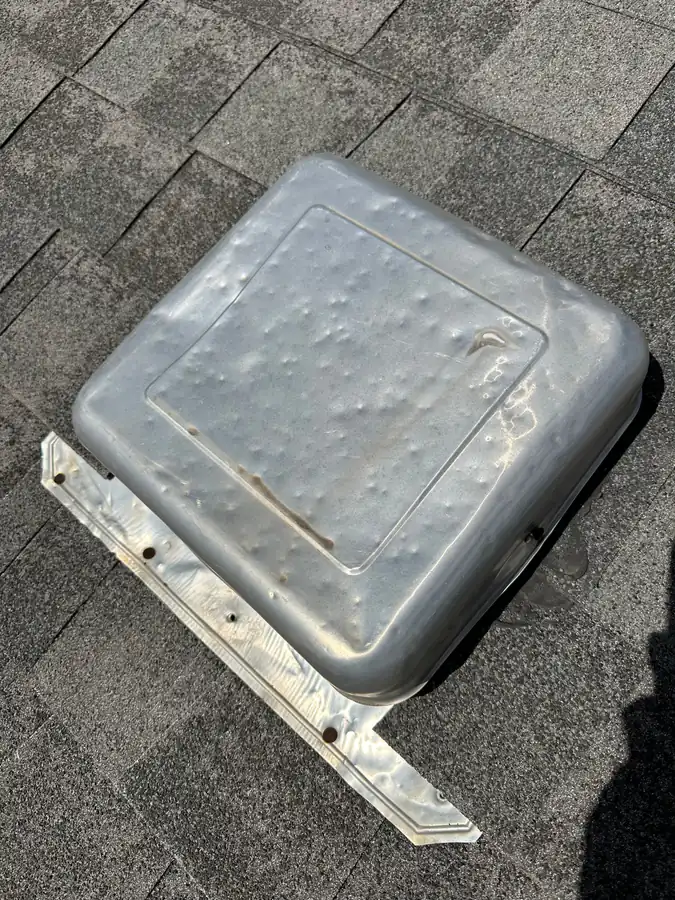
After a hail storm, write down the date and time, take photos of hail on the ground with something for scale, and note dents on gutters, vents, cars, and outdoor AC units. Check from the ground first and stay off the roof. Then get an inspection from a locally licensed roofer. If you decide to file a claim, follow your policy's reporting deadline. Only your insurer decides what is covered.
How do you spot storm-chasing contractors?
Storm-chasing contractors arrive after big hail events, knock on doors, and press for a quick signature. Warning signs include out-of-state plates with no local address, pressure to sign the same day, offers to handle your deductible, and contracts that assign your insurance benefits to them. Colorado's contract law gives you rights, but checking the roofer first is the best protection.
Rather talk to someone? Request a callback
Leave your name and number and a local roofing contractor will call you back about a free estimate and inspection. Available to homeowners in our service markets.
- A local contractor calls you. They confirm your address and a time that works.
- They inspect your roof. Free, in person, no obligation.
- You get a written price. You decide. No pressure.
Frequently asked questions
How long do I have to cancel a roofing contract in Colorado?
If the work depends on an insurance claim, you may cancel within 72 hours after receiving notice that the claim was denied in whole or in part, under C.R.S. 6-22-104.
Is it legal for a roofer to pay my deductible in Colorado?
No. C.R.S. 6-22-105 prohibits roofing contractors from paying, waiving, or rebating a deductible.
Do Class 4 shingles stop all hail damage?
No shingle is hail-proof. Class 4 products resist cracking better in testing, but very large hail can still damage them.
Sources
- C.R.S. 6-22-104. colorado.public.law/statutes/crs_6-22-104
- C.R.S. 6-22-105. colorado.public.law/statutes/crs_6-22-105
- IBHS, Hail research. ibhs.org/risk-research/hail/
- NOAA Storm Prediction Center, storm reports (preliminary). www.spc.noaa.gov/climo/reports/
Sources checked November 4, 2026. Estimates are not quotes. Roofing, insurance, and legal details vary. Confirm with your contractor, insurer, or attorney.