Concrete vs clay roof tile: Differences that matter
Last updated · Tile roofs
Short answer: Clay tile is fired clay, so its color usually runs through the tile and resists fading. Concrete tile is molded from sand and cement, typically costs less, and is usually heavier unless it is a lightweight version. Both can last for generations. On either one, the underlayment beneath usually wears out long before the tile does.[2]
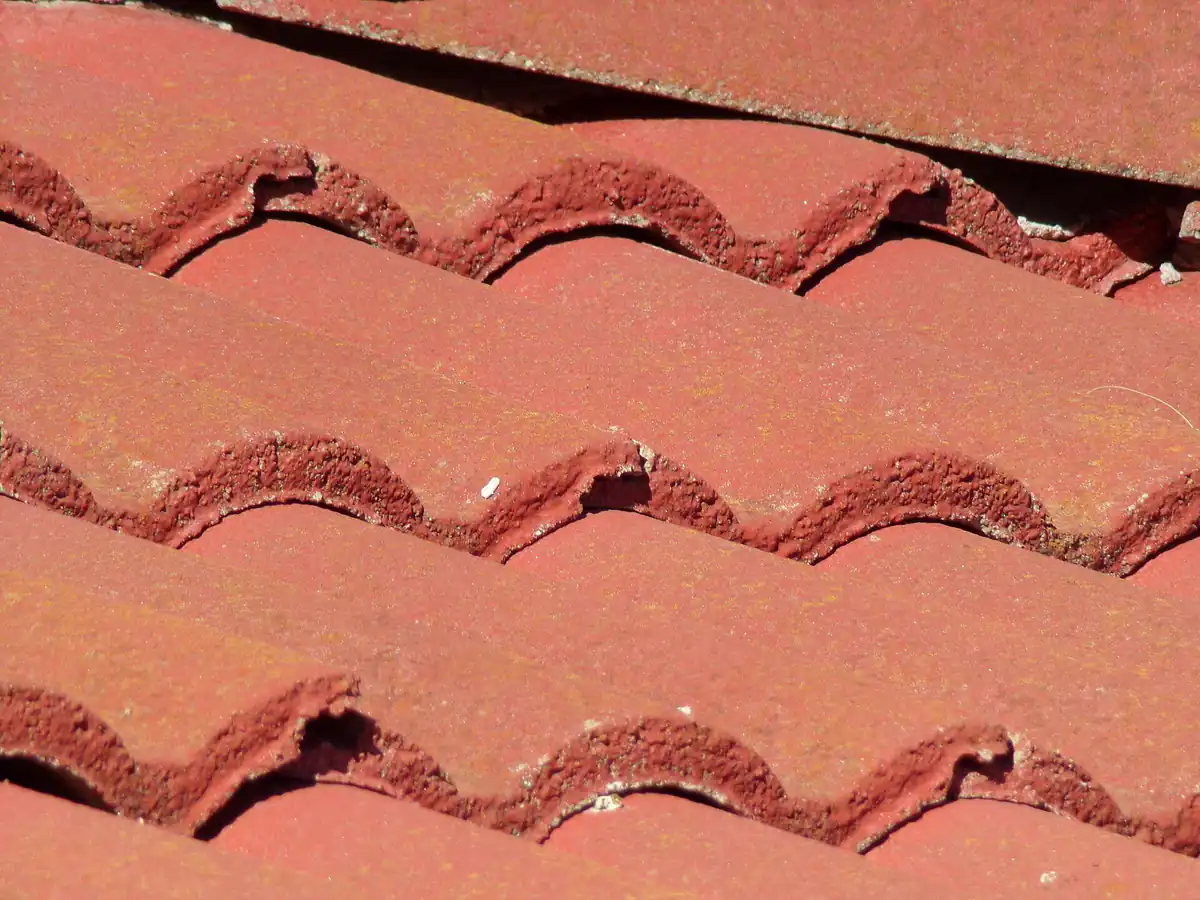
How are concrete and clay tiles made?
Concrete and clay tiles are made in different ways. Clay tiles are shaped from natural clay and fired in a kiln, which makes them hard and dense; they are made to the ASTM C1167 standard.[1] Concrete tiles are a mix of sand, cement, and water, pressed into molds and cured. Concrete tile can be made in flat, low-profile, and high-profile shapes that mimic slate, shake, or Spanish barrel tile. Both are sold through the same roofing suppliers and installed by tile roofing crews.
How do concrete and clay tiles compare on weight?
Compared on weight, standard concrete tile is usually heavier than clay tile of a similar shape, while lightweight concrete tiles narrow the gap. Both are much heavier than asphalt shingles. A house framed for shingles may not be able to carry tile without an engineer's review and added framing. Our guide on tile roof weight explains what to check before switching.
Which tile holds its color better?
Clay tile generally holds its color better because the color comes from the clay itself or from a fired glaze. Concrete tile is often colored with a surface coating or pigment mixed into the concrete, and surface colors can wear and fade with years of sun. Faded concrete tile is a cosmetic issue. It does not mean the tile is failing, but it can make a few replacement tiles stand out.
How do concrete and clay tiles handle water and freezing?
Concrete and clay tiles handle water differently. Concrete tile is more porous and absorbs more water, which adds weight when wet and can support moss or efflorescence (a white mineral bloom) in damp climates. Clay tiles vary; dense, well-fired clay absorbs little water. In freeze-thaw climates, ASTM C1167 grades clay tile by its resistance to frost damage, so ask for a grade suited to your climate.[1]
What does code require for tile roofs?
Code sets a minimum slope and underlayment rules for tile roofs. The International Residential Code requires clay and concrete tile to be installed on roof slopes of 2.5:12 or steeper, with extra underlayment on slopes below 4:12, and it sets fastening rules that vary with slope and wind.[3] Tile must also be installed per the manufacturer's instructions. In high-wind areas, local codes add fastening and adhesive requirements.
How long do tile roofs last?
Tile roofs can last a very long time. InterNACHI's life expectancy chart lists clay and concrete tile at more than 100 years.[4] That figure is for the tile itself. The underlayment beneath is the part that keeps water out, and it wears out much sooner, especially in hot climates. When the underlayment fails, the fix is a refelt: lift the tiles, replace the underlayment, and relay the tiles, replacing broken ones. See our refelt guide.
Which tile costs more?
Clay tile usually costs more than concrete tile for both material and installation, though the gap depends on profile, color, and availability. Concrete tile is widely available and often the default in Sun Belt subdivisions. Specialty clay profiles, glazed finishes, and imported tile cost the most. Because labor and underlayment make up a large share of the job, compare full bids rather than tile prices alone.
How do you choose between concrete and clay tile?
Choose between concrete and clay tile by starting with your structure, HOA rules, and climate. If the house already has tile, matching the existing type and profile is usually simplest. If you want long-lasting color or a traditional Spanish or Mediterranean look, clay is often the pick. If budget matters most, concrete is a solid choice. In either case, ask the roofer which underlayment they will use and how long it is expected to last, since it decides when you will need work again. The Tile Roofing Industry Alliance publishes installation resources that roofers follow.[2]
Rather talk to someone? Request a callback
Leave your name and number and a local roofing contractor will call you back about a free estimate and inspection. Available to homeowners in our service markets.
- A local contractor calls you. They confirm your address and a time that works.
- They inspect your roof. Free, in person, no obligation.
- You get a written price. You decide. No pressure.
Frequently asked questions
Is clay tile better than concrete tile?
Not always. Clay holds color better and is often lighter, while concrete costs less. Both last a long time when installed well.
Can I replace a few concrete tiles with clay tiles?
Not usually. Profiles and dimensions differ, so replacement tiles should match the existing tile type and profile.
Why does my concrete tile look faded?
Surface color on concrete tile can wear with years of sun. Fading is cosmetic and does not by itself mean the roof leaks.
See 2026 roof replacement cost in your city →
Sources
- ASTM C1167: Clay Roof Tiles. store.astm.org/c1167-11r17.html
- Tile Roofing Industry Alliance: Resources. www.tileroofing.org/resources.html
- 2021 International Residential Code, Chapter 9: Roof Assemblies. codes.iccsafe.org/content/IRC2021P2/chapter-9-roof-assemblies
- InterNACHI, Standard Estimated Life Expectancy Chart. www.nachi.org/life-expectancy.htm
Sources checked November 4, 2026. Estimates are not quotes. Roofing, insurance, and legal details vary. Confirm with your contractor, insurer, or attorney.